
Corn Earworm

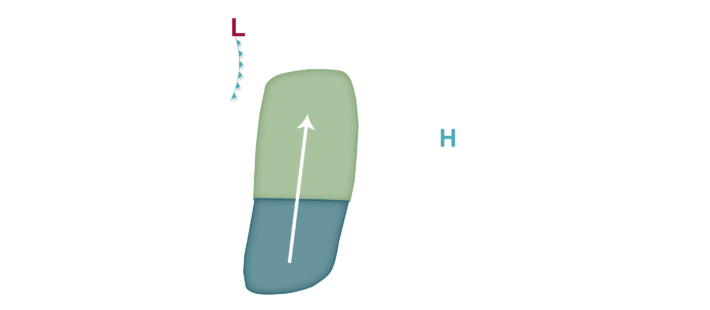
Heat and humidity is expected to continue to build especially across the western half or so of the corn-growing region as we move through the weekend and into early next week. A weak cold front is still expected to drop south through a good portion of the eastern two-thirds or so of the corn-growing region by next Tuesday or Wednesday, while heat holds on in a portion of the Plains states and also in the northern corn-growing region. While southerly winds are not expected to be overly strong at any point during this time frame, the focused nature of the winds and also looking at crop stages both in southern source regions and more attractive stages further north that may result in a greater chance of migration, we are maintaining Low migration risks through early next week initially west of the Mississippi River tonight into tomorrow before an expansion and eventual shift east into the southwestern and southern Great Lakes by late in the weekend and early next week. It does appear now, that a more focused corridor of showers/thunderstorms may occur Sunday night into Monday from Minnesota and Wisconsin southeast as far as Iowa, Illinois, and into Michigan and Indiana, and given a favorable corridor of southwest winds feeding into this storm cluster, we felt the need for an increased migration risk into the Moderate category was warranted for Sunday night into Monday from southeast Minnesota and northeast Iowa southeast into southern Wisconsin, northern Illinois, northern Indiana, and southwest lower Michigan where corn earworm moths may be most likely to land. Once the cold front moves south early-mid next week, any further migration risk next week should focus back across the Plains but at a lower scale. Growers are encouraged to continue trap monitoring and field scouting in vulnerable or susceptible fields as corn-growing region crops are at a more attractive growth stage now and moths will be more prone to fly north to survive over the next several weeks.