
Corn Earworm

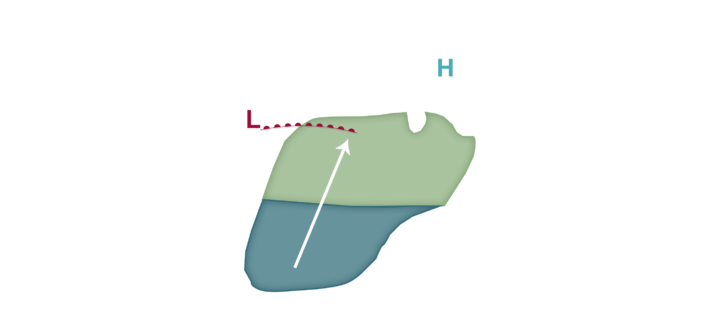
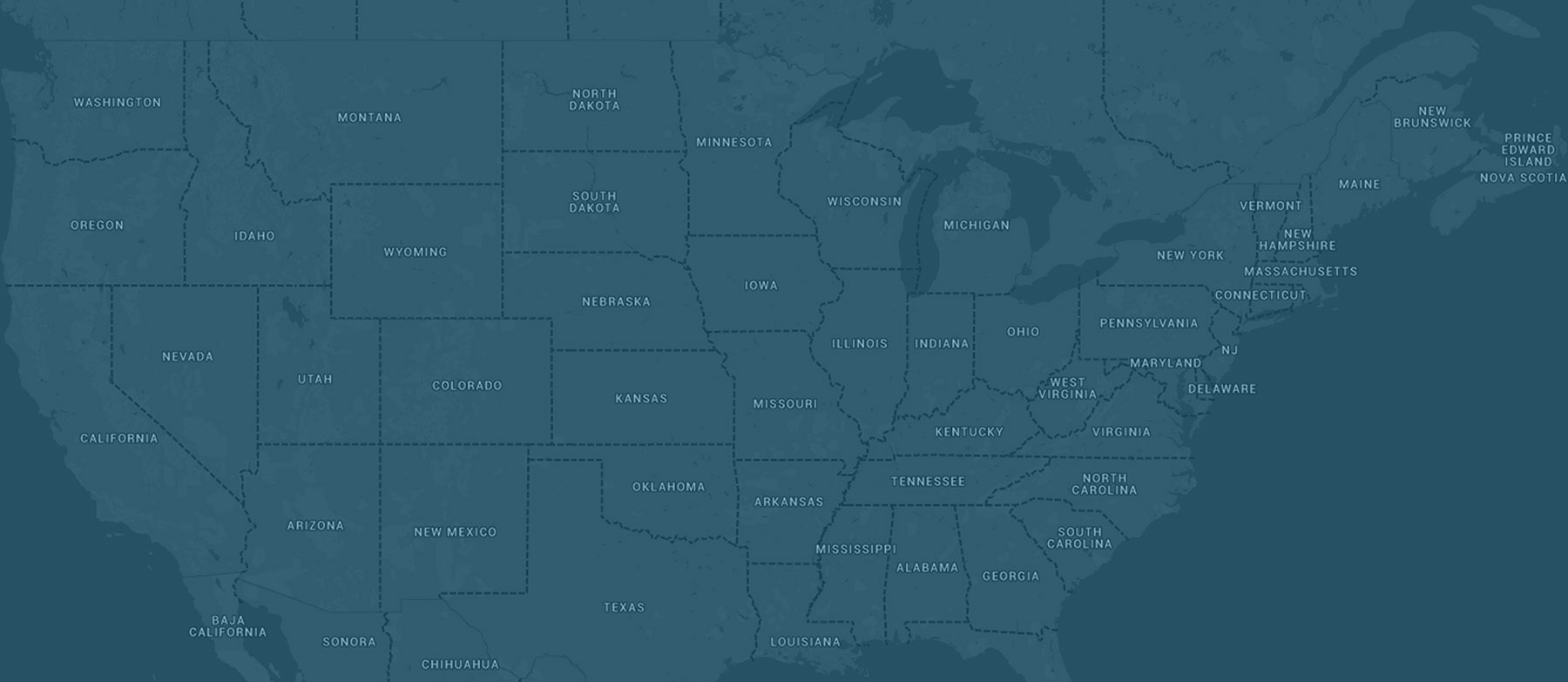
A somewhat complex weather pattern featuring low pressure in the central Rockies and High Plains with a warm front extending east near I-80 and high pressure across the northern Great Lakes will continue to battle it out for position. South to southwest winds and hotter conditions are present south of the front, and these winds may pose an isolated corn earworm migration risk into fields especially along/south of the US 20 corridor over the next few nights, with probably the greater risk along/west of the Mississippi River. Wind flow becomes more northerly across the Great Lakes and generally weaker, lessening the risk of migration in eastern areas. Eventually, the warm front is expected to lose the battle to high pressure in Canada, and any migration risk will be greatly reduced by mid-late week with northerly winds more common. Growers are encouraged to monitor traps and scout fields as crops in the mid-south and southern states are becoming less attractive hosts to corn earworm moths as each day goes on given crops at or near maturity in those areas, so moths will be looking to fly to survive to find nourishment and suitable egg-laying sites in the coming weeks.